
Talking about sexually transmitted infections isn’t always easy, but it’s an important part of staying healthy. In our rural communities, barriers to accessing health care and ongoing stigma can make it harder for people to get the services they need. That’s why this STI Awareness Month, Missouri Ozarks Community Health wants to make sure that you have the information you need to stay healthy.
What Is an STI?
A sexually transmitted infection is caused by a virus, bacteria, fungus or parasite that is spread through sexual contact. Common STIs include:
- Human Papillomavirus (HPV)
- Chlamydia
- Gonorrhea
- Syphilis
- Herpes Simplex Virus (HSV) types 1 and 2
- Trichomoniasis
- Human Immunodeficiency Virus (HIV)
- Hepatitis B and C
What Is the Most Common STI?
The most common sexually transmitted infection is human papillomavirus (HPV). According to Shari Cook, a nurse practitioner at Missouri Ozarks Community Health who specializes in women’s healthcare, many people with HPV have no symptoms and may not know they are infected. “Some strains of HPV cause genital warts, which appear as small bumps or growths in the genital area,” Cook explained. “High-risk strains can cause changes in cervical cells that may lead to cervical cancer. These changes are usually found through routine Pap smears or HPV DNA testing. There is no routine HPV test for men.”
How Can You Protect Yourself from HPV?
Vaccination is one of the most effective ways to prevent HPV. Cook said vaccination is recommended for preteens ages 11-12, ideally before sexual activity begins. She noted that it can also be given to people up to age 26, and sometimes beyond. Regular cervical cancer screening is another key step in protecting long-term health.
How Can You Reduce Your Risk for STIs?
Prevention plays a critical role in reducing the spread of STIs. Steps you can take include:
- Using condoms consistently and correctly
- Limiting the number of sexual partners
- Getting vaccinated for preventable infections like HPV and Hepatitis B
- Avoiding sharing needles or items that can transmit infections
- Getting regular STI screenings and receiving prompt treatment for infections
STI Testing at Missouri Ozarks Community Health
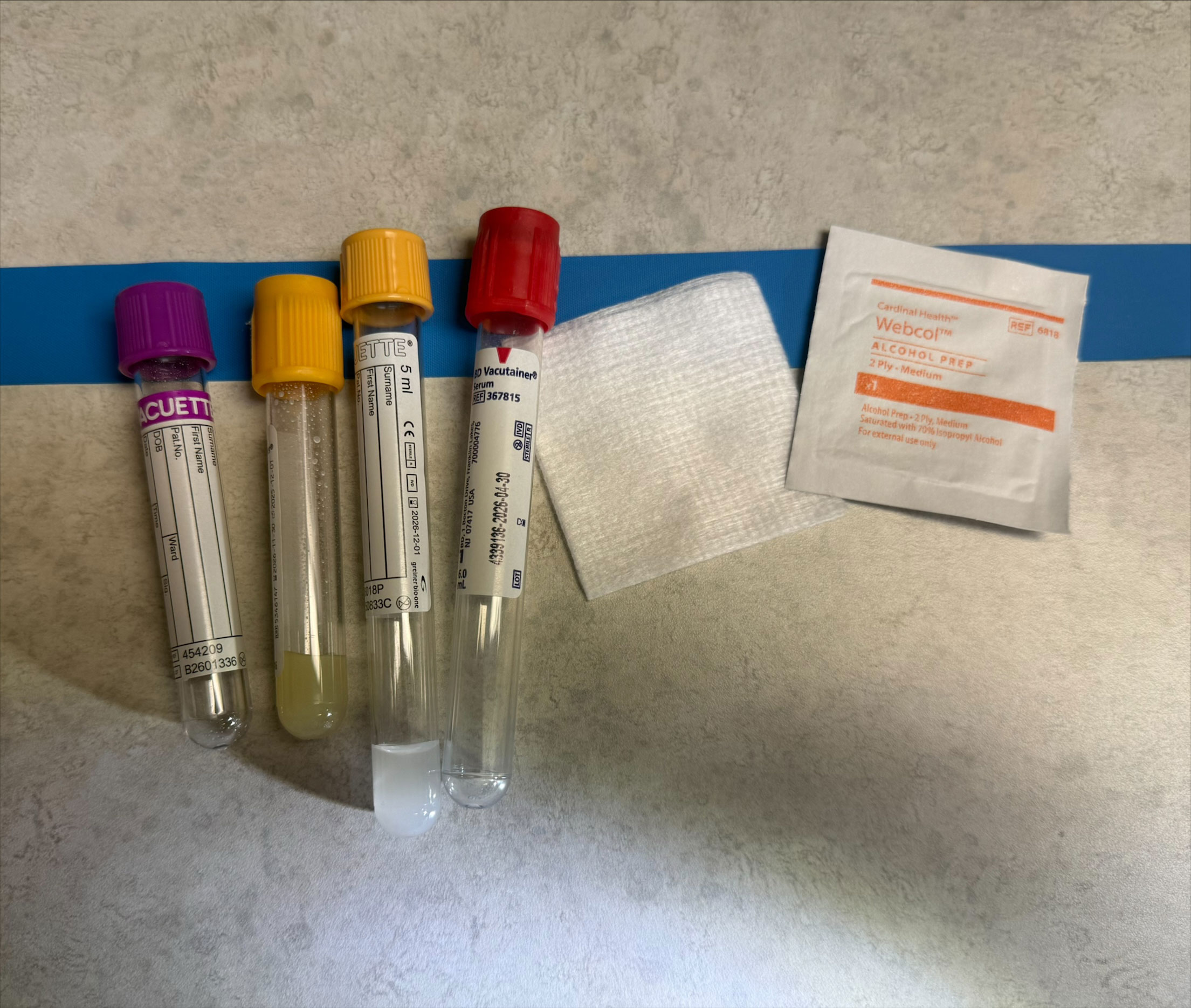
Missouri Ozarks Community Health ofers testing for common STIs, including chlamydia, gonorrhea, syphilis, HIV and HPV-related screening. “You should get tested if you have symptoms such as unusual discharge, sores or pain,” said Cook. “Testing is also important if you’ve had unprotected sex or a new sexual partner.” Testing is available for both men and women and may include a urine sample, blood test or swab from the genital area, throat, or rectum.
Testing is also available for pregnant women. STIs can cause pregnancy complications and can have serious effects on both the mother and the developing baby.
Schedule an Appointment
To learn more about STI screening or to schedule an appointment, contact the clinic nearest you:
- Ava Clinic: (417) 683-5739
- Gainesville Clinic: (417) 679-2775
- Mansfield Clinic: (417) 924-8809
- Cabool Clinic: (417) 962-5422
- Mountain Grove Clinic: (417) 926-1713
- Houston Clinic: (417) 967-0772
